

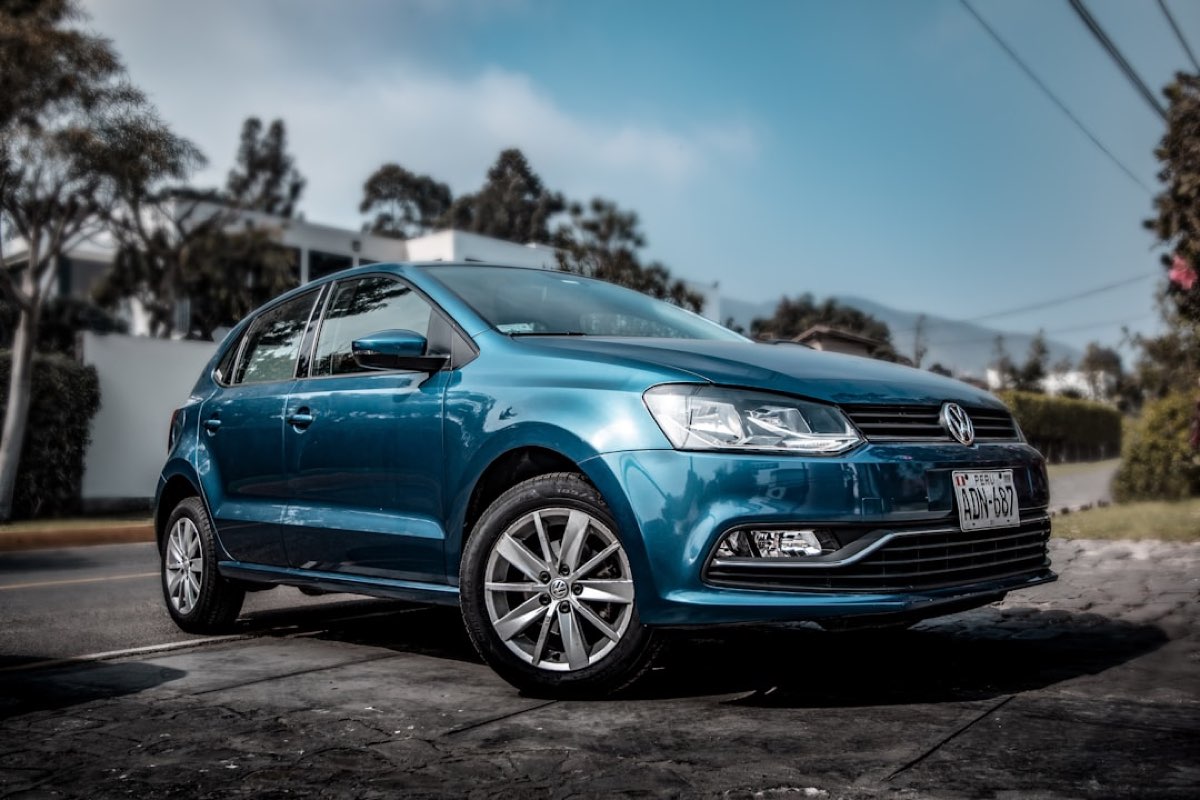
Used Volkswagen Polo for Sale: Complete Buyer's Guide
The Volkswagen Polo is one of the most popular superminis on the UK used car market. Reliable, fuel-efficient, and practical, it appeals to first-time buyers, commuters, and families alike. Whether you're looking at a 2022 model or going back a few years, this guide covers everything you need to know before purchasing a used Polo, including pricing, common issues, running costs, and what to look for when inspecting one in person.
On Mobeo, we list over 13,300 used cars from 1,850+ verified UK dealers. Many of those are Volkswagen Polos, giving you genuine choice and transparency when shopping for your next car.
Used Volkswagen Polo Pricing in the UK
In 2025, the used Volkswagen Polo market remains competitive. Prices vary by year, mileage, trim level, and condition. Here's what you can expect to pay:
- 2024 models (under 10,000 miles): £13,500–£16,000
- 2023 models (10,000–20,000 miles): £11,500–£14,500
- 2022 models (20,000–35,000 miles): £9,500–£12,500
- 2021 models (35,000–50,000 miles): £8,000–£11,000
- 2020 models (50,000–70,000 miles): £6,500–£9,500
- 2018–2019 models (70,000+ miles): £5,000–£7,500
A 2022 Volkswagen Polo with around 30,000 miles and average trim will typically sell for £10,000–£12,500 depending on specification and service history. Three-door models are slightly cheaper than five-door versions. Petrol engines hold value better than diesels in the current market, reflecting lower demand for oil-burners among UK buyers.
Trim Levels and Which Offer Best Value
The Polo comes in several trim grades, each with different features and price points. Understanding these helps you identify the best-value option for your needs.
- S (Entry Level): Basic specification with manual transmission, touchscreen, air conditioning, and Bluetooth. This is the cheapest option but lacks some modern conveniences. Good if you want a no-frills city car.
- SE Navigation: Adds sat-nav, climate control, rear parking sensors, and alloy wheels. This is often the sweet spot for value buyers—you get essential modern features without overpaying for luxury additions.
- SEL Premium: Includes leather upholstery, heated front seats, ambient lighting, and an upgraded infotainment system. More comfort-focused and appeals to longer-commute drivers.
- R-Line: Sporty styling with body kit, lowered suspension, and sportier wheels. More expensive but resales well if you like the aesthetic.
For best value, aim for SE Navigation or low-mileage S models with optional packages. You'll pay less upfront but still get practical features. Avoid older R-Line models if they've been driven hard—sportier suspensions wear faster.
Common Issues and What to Check When Buying Used
The Polo is generally reliable, but like any used car, certain issues crop up. Here's what to inspect closely:
TSI Engine Carbon Buildup
Some TSI petrol engines (1.0 TSI particularly) suffer from carbon deposits on intake valves, leading to rough idling or reduced performance after 60,000 miles. This is more common in cars that do short, stop-start journeys. Ask the seller about service history and request a full diagnostic before purchase. Cleaning costs £400–£800 if needed.
DSG Gearbox Hesitation
A small number of Polos with dual-clutch DSG automatics experience hesitation when changing gears, particularly in slow traffic. This is typically a software issue fixed under warranty, but it's worth test-driving a DSG model thoroughly. Manual versions are generally trouble-free.
Other things to check:
- Service history: Full Volkswagen dealer stamps are worth more than part-service histories. Check the service book matches the vehicle.
- Paint thickness: Use a paint depth gauge (£20–£40) to spot repair panels. Thick paint suggests cosmetic work; thin original paint is better.
- Tyres and brakes: Check tread depth (3mm or more is ideal). Listen for brake squealing during test drive—pads wear quickly on Polos used in towns.
- Interior wear: Steering wheel leather, seat bolsters, and dashboard plastics show true mileage. High wear on a low-mileage car suggests clocking (rare but check MOT history).
- Electrics: Test all windows, locks, lights, and climate controls. Dash warning lights are red flags—get a diagnostic read.
Running Costs: Insurance, Fuel, and Servicing
Understanding ongoing costs helps you budget realistically.
Insurance
The Polo sits in insurance groups 3–6 depending on engine size and trim. Typical annual premiums range from £500–£900 for a 30-year-old driver with a clean licence. Younger or less experienced drivers will pay significantly more. Check quotes before purchasing.
Fuel Economy
The 1.0 TSI petrol achieves 47–52 mpg in real-world driving. The 1.4 TSI is slightly thirstier at 40–45 mpg. Diesel models (1.4 TDI) manage 50–55 mpg but face higher road tax and insurance. For most UK drivers covering under 12,000 miles annually, petrol is cheaper overall.
Servicing Costs
Annual servicing typically costs £150–£250 for an independent garage or £250–£400 at Volkswagen dealers. Brake fluid, spark plugs, and air filters are routine expenses. The Polo uses standard parts, so non-dealer servicing is reliable and often cheaper. Budget £80–£150 for an oil and filter change.
Road Tax (VED)
Petrol models registered before April 2017 pay £150 annually (standard rate). Post-April 2017 models pay £155 (new first-year rate applies only to new purchases). Diesels are the same. Once paid, rates remain flat.
ULEZ and Environmental Considerations
If you live in or regularly drive within London's Ultra Low Emission Zone (ULEZ), a pre-2015 Polo petrol diesel will incur a £12.50 daily charge. Most 2016+ models comply with Euro 6 standards and are ULEZ-exempt. Check your specific postcode on the TfL website before purchasing if London driving is relevant.
Why Buy a Used Polo?
- Proven reliability: The Polo has a solid reputation, with minimal major mechanical issues in well-maintained examples.
- Low depreciation: Older Polos hold value well due to strong demand.
- Excellent parts availability: Every garage stocks Polo consumables; repairs rarely involve long waits.
- Easy to drive: Perfect first car for new drivers; tight steering and manageable dimensions.
- Practicality: Five-door models offer surprising boot space for a supermini (351 litres).
Frequently Asked Questions
What's the difference between TSI and TDI engines?
TSI is petrol (turbocharged); TDI is diesel. TSI offers good fuel economy and low tax but higher insurance. TDI is more economical on longer journeys but faces ULEZ charges if older. For most UK buyers doing mixed driving, TSI is the smarter choice in 2025.
How many miles is too many for a used Polo?
A Polo with 80,000–100,000 miles is still reliable if serviced regularly. Beyond 120,000, expect increased wear on consumables. Check service history carefully—a well-maintained 100,000-mile Polo is better than a neglected 50,000-mile example.
Should I buy a manual or automatic Polo?
Manuals are cheaper to buy and maintain. Automatics (DSG) offer convenience but are costlier to repair if faults arise. For UK buyers, manual is typically better value. Test drive both to decide based on your commute style.
Is a Polo reliable enough for long daily commutes?
Yes. The Polo is built for exactly this. A well-maintained example will easily do 150,000+ miles. Just ensure full service history, budget for consumables, and don't skip scheduled maintenance.
Can I negotiate the price on Mobeo?
Yes. Mobeo's dealer network welcomes offers. Submit your interest through the platform, and dealers will contact you directly. You're under no obligation—negotiate fairly, and walk away if prices don't suit your budget.
Find Your Used Volkswagen Polo on Mobeo
Browse 1,000+ Polo listings from verified UK dealers. Compare prices, specs, and dealer ratings—all in one place. No pressure, no middlemen, just cars.
Search Mobeo Now