

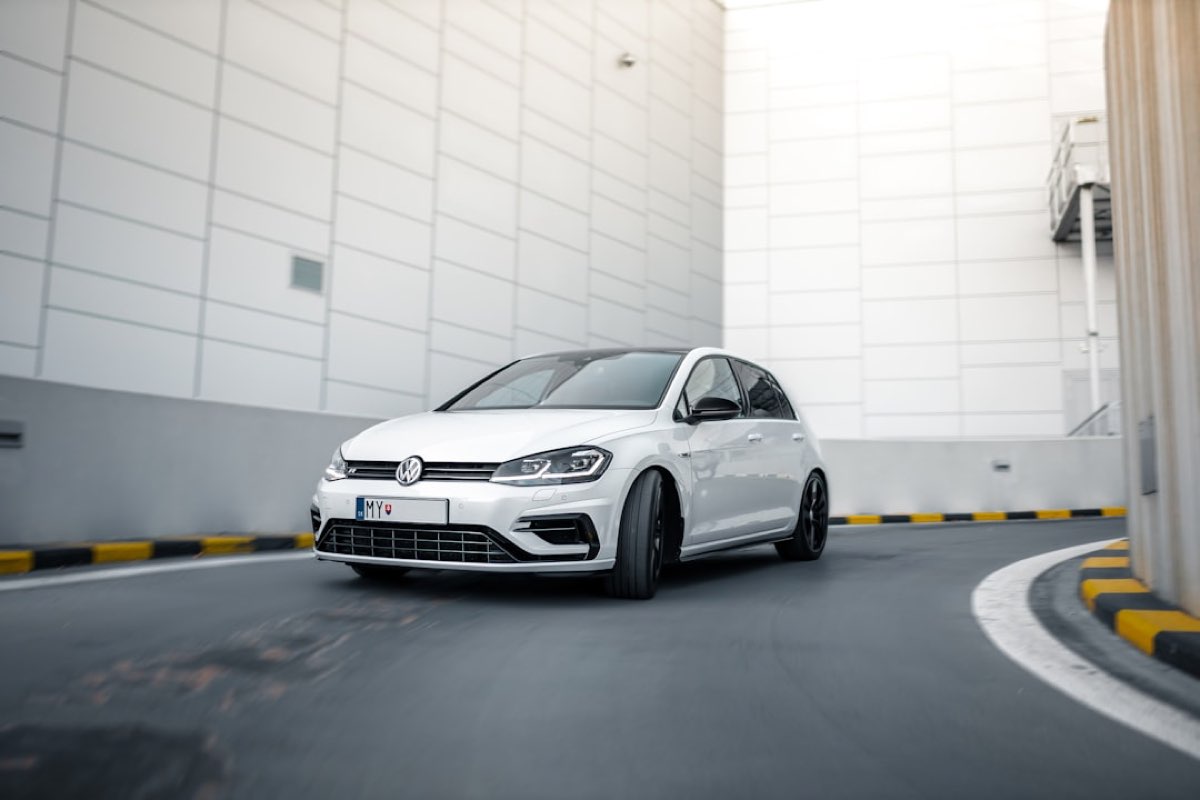
Used Volkswagen Golf for Sale: A Complete Buyer's Guide
The Volkswagen Golf is one of the most popular used cars on the UK market. Its reputation for reliability, practical design, and reasonable running costs make it a sensible choice for drivers of all ages. Whether you're looking for a recent model or something with a few more miles on the clock, there are hundreds of used Golf cars for sale across the country on Mobeo.
This guide covers everything you need to know before buying a used Volkswagen Golf, including current prices, common issues to watch for, trim levels, and running costs. We'll also help you find the right car from our network of 1,850+ verified dealers.
Current Used Volkswagen Golf Prices in the UK
In 2025, the used Volkswagen Golf market remains strong, with prices reflecting the model's durability and demand. Pricing varies significantly depending on generation, age, mileage, and specification.
- 2019–2020 Volkswagen Golf (Mk7.5): £10,500–£14,500 for examples with 40,000–60,000 miles. These are mature cars but still widely available and competitively priced.
- 2021–2022 Volkswagen Golf (Mk8): £13,000–£18,000 with 20,000–40,000 miles. The newer generation commands a premium due to updated interior technology and stricter emissions standards.
- 2023–2024 Volkswagen Golf (Mk8): £16,000–£22,000 with under 20,000 miles. Near-new examples hold strong value, especially petrol variants.
Prices fluctuate based on colour, service history, accident damage history, and specific trim level. On Mobeo, you'll find over 1,000 used Volkswagen Golf listings from dealers across the UK, making it easy to compare options within your budget.
Trim Levels and Which Offers Best Value
The Volkswagen Golf range includes multiple trim levels, each offering different equipment and running costs. Understanding the differences helps you choose the right specification for your needs and budget.
- S (Entry Level): The base trim includes air conditioning, electric windows, and a 6.5-inch touchscreen infotainment system. Offers good value if you're budget-conscious, though equipment is basic. Typically 5 percent cheaper than SE trim.
- SE (Popular Choice): The middle ground. Adds rear parking sensors, climate control, and an upgraded 8-inch display. This is the best-value trim for most buyers, with a good balance of features and cost. Many dealers stock SE variants.
- SEL (Mid-Premium): Includes heated seats, wireless phone charging, and Premium Sound System. Adds comfort for longer journeys. Expect to pay £1,500–£2,500 more than SE trim.
- R-Line (Sports Package): Sportier styling, firmer suspension, and upgraded exterior trim. Does not improve reliability but appeals to drivers who want a more aggressive look. 10–15 percent price premium over standard trim.
- GTI/GTD (Performance Variants): More powerful engines and bespoke tuning. Significantly higher insurance costs and fuel consumption. Only consider if performance is a priority.
For best value, the SE trim offers the sweet spot between equipment and affordability. You get essential modern features without paying for premium additions you may not use regularly.
Common Issues and What to Check When Buying Used
The Volkswagen Golf is generally reliable, but certain issues appear more frequently in the used market. Being aware of these helps you avoid costly repairs after purchase.
DSG Gearbox Concerns
Models from 2008 onwards with the 7-speed DSG automatic gearbox have occasionally suffered transmission judder or hesitation, particularly in lower gears. This affected early examples more than recent cars. Always test drive a DSG Golf through urban traffic to feel for smooth gear changes. Request full service history to verify any gearbox fluid changes at recommended intervals (every 40,000 miles for DSG models). If you hear grinding or notice a shudder when pulling away, walk away. Repairs cost £2,500–£4,000.
Carbon Buildup on TSI Petrol Engines
1.4 and 1.5 TSI petrol engines can accumulate carbon deposits on intake valves, causing rough idle or hesitation during acceleration. This is more common after 80,000 miles. Check service history to confirm regular oil changes using VW-approved synthetic oil. Ask the dealer if the car has been serviced at a VW main dealer (more likely to use proper oil) or an independent (less certain). A professional fuel system clean costs £300–£500 and should resolve symptoms.
When viewing any Golf, also check for:
- Worn brake discs (should still have at least 3mm material remaining)
- Battery condition, particularly on post-2015 models with more electrical systems
- Cracked windscreens (not covered by warranty on most used cars)
- Service interval lights showing on the dashboard (usually indicates overdue maintenance)
- Tyre tread depth and condition (should be 4mm minimum, 1.6mm legal)
Running Costs: Insurance, Fuel, and Servicing
The Volkswagen Golf is economical to run, but costs vary by engine type and trim level. Understanding these expenses helps you budget accurately.
Insurance Costs
A typical 2022 Volkswagen Golf 1.5 TSI SE sits in insurance group 14–15. Annual quotes for a 35-year-old driver with no claims history range from £500–£750, depending on the postcode and specific model year. Performance variants (GTI, GTD) move to groups 18–20, raising premiums to £800–£1,100 annually. Hybrid and electric variants fall into lower groups (13–14) due to lower engine power.
Fuel Economy and Costs
Petrol TSI engines (1.0, 1.4, 1.5) return 45–55 mpg in real-world mixed driving. At current fuel prices (approximately 130p per litre), budget £0.09–£0.12 per mile for fuel. Diesel engines (1.6 TDI, 2.0 TDI) deliver 50–65 mpg, reducing fuel costs to £0.08–£0.10 per mile. The newer Mk8 (2020 onwards) is more efficient than the Mk7.5.
Servicing and Maintenance
Main dealer services cost £150–£280 per visit. Volkswagen recommends servicing every 12 months or 10,000 miles, whichever comes first. Oil and filter changes run £80–£120 at an independent garage, offering 30–40 percent savings over dealers. Brake pads (both axles) cost £200–£350 fitted, and a full brake fluid change every two years adds another £100–£150. Transmission fluid (DSG) changes are £200–£300 and should be performed every 40,000 miles for optimal gearbox health.
ULEZ and Emissions Compliance
From August 2023, London's Ultra Low Emission Zone (ULEZ) expanded to include all of Greater London. Any petrol car without a catalytic converter will incur a daily charge. The vast majority of Golf cars from 2006 onwards comply with ULEZ standards, but older models (pre-2006 petrol, pre-2015 diesel) may not. Always confirm ULEZ eligibility with the dealer before purchase if you drive in London regularly. Most 2019+ Golfs have no ULEZ concerns.
Frequently Asked Questions
What is the most reliable year of Volkswagen Golf to buy used?
The 2017–2019 Volkswagen Golf Mk7.5 represents excellent reliability value. These models have had time to shake out early manufacturing issues, parts are widely available, and service costs remain moderate. They're old enough to have depreciated significantly but young enough to avoid excessive wear. If your budget stretches to 2021–2022 models (Mk8), even better, as these benefit from updated engine management and infotainment systems. Avoid 2009–2013 Mk6 models if you're sensitive to early DSG issues.
Should I buy a petrol or diesel Volkswagen Golf?
For most UK drivers, petrol is the better choice in 2025. Diesel premium has compressed, making fuel cost savings minimal. Petrol engines are simpler, cheaper to maintain, and quieter. Diesel suits drivers covering 20,000+ miles annually or those in London affected by ULEZ diesel charges (though post-2015 diesels are compliant). Avoid very early diesels (pre-2015) due to emissions concerns. TSI petrol engines offer a good compromise between efficiency and running costs.
Is it worth buying an automatic Golf?
The 7-speed DSG automatic is smooth and responsive in modern Golfs (2017+), though older units (2009–2015) had reliability issues. If you want automatic, stick to 2017 onwards or budget for a potential £2,500+ DSG service or repair. Manual gearboxes are cheaper to maintain, more reliable, and offer better fuel economy. Manual also keeps purchase prices 1–2 percent lower, so you recover value if you later sell.
How many miles is too many for a used Volkswagen Golf?
The Volkswagen Golf engine easily exceeds 150,000 miles with proper maintenance. A well-serviced Golf with 80,000 miles is safer than a neglected one with 50,000 miles. Always prioritise full service history over mileage alone. Cars serviced exclusively at main dealers or reputable independents are preferable. Avoid examples with patchy service records or unknown history, regardless of mileage. Gearbox components may need attention closer to 100,000+ miles, but this is manageable with budget planning.
What is the best time of year to buy a used Volkswagen Golf?
Used car prices are most competitive in January and February when demand drops and dealers clear stock before new model deliveries arrive. September sees a minor spike in availability as summer holidays end and newer registration plate cars arrive. Avoid August (holiday season) and November–December (peak buying period before Christmas). On Mobeo, you can browse availability year-round and set alerts for new listings matching your criteria, so timing matters less if you're flexible.
Find Your Used Volkswagen Golf on Mobeo
Browse 1,000+ used Volkswagen Golf listings from verified UK dealers. Compare prices, specs, and service history instantly. No pressure, no middlemen — just cars.
Search Mobeo Now