

Used Mercedes E-Class for Sale: Complete Buyer's Guide
The Mercedes E-Class remains one of the most sought-after executive saloons on the UK used car market. Whether you're looking for a luxurious daily driver or a comfortable business commute, the E-Class delivers premium German engineering, advanced technology, and strong residual value. With over 1,850 verified dealers across the UK on Mobeo, you'll find hundreds of E-Class models ready to browse—all without the high-street markup.
This guide covers everything you need to know before buying a used Mercedes E-Class, from real market pricing to common issues, trim levels, and running costs.
Used Mercedes E-Class Pricing in 2025
The used E-Class market in the UK reflects strong demand and excellent durability. Prices vary significantly by generation, mileage, and trim level, so understanding the current market is crucial before you make an offer.
- 2022–2023 E-Class (W213, facelift): £28,000–£42,000. These newer models command premium prices due to their updated infotainment, cleaner emissions, and latest safety features. A 2023 E350d with under 15,000 miles typically sells for £38,000–£42,000.
- 2020–2021 E-Class: £22,000–£32,000. Pre-facelift models offer excellent value. A 2021 E220d with 25,000 miles sits around £26,000–£30,000, making this a sweet spot for budget-conscious buyers seeking relative newness.
- 2018–2019 E-Class: £16,000–£25,000. These are more affordable entry points, though you'll notice older infotainment systems and slightly more wear. A 2019 E220d with 40,000 miles typically ranges £18,000–£22,000.
- 2015–2017 E-Class (W212): £10,000–£18,000. Older generations suit buyers comfortable with higher mileage (60,000–80,000 miles). These still deliver the E-Class experience at a fraction of newer pricing.
Prices fluctuate based on engine type, transmission, mileage, service history, and accident damage. Diesel models (E220d, E350d) typically cost less upfront than petrol equivalents but offer superior fuel economy and lower road tax.
Which Trim Level Offers the Best Value?
Mercedes E-Class trim levels in the UK market typically run: SE, AMG Line, and Avantgarde (older models), or SE, AMG Line, and E63 AMG (newer generations). Understanding the differences helps you avoid overpaying for unnecessary spec.
- SE: The entry-level trim. You get the core E-Class experience: comfortable seating, Mercedes infotainment (COMMAND or MBUX depending on year), climate control, and quality leather. Perfect if you want prestige without excessive extras. Expect to save £2,000–£4,000 versus higher trims.
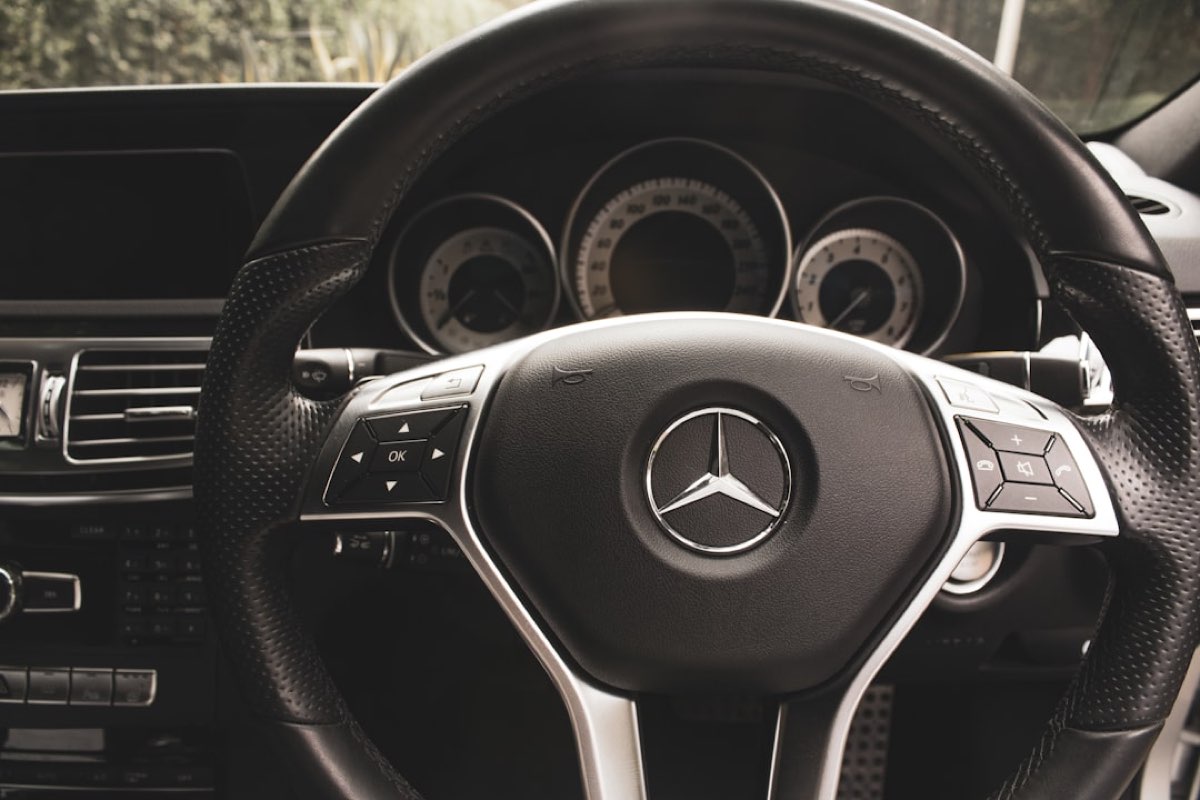
- AMG Line: The popular middle ground. Adds sporty bumpers, multi-beam LED headlights, 18-inch AMG alloy wheels, sports suspension, and a three-spoke AMG steering wheel. If you value aesthetics and handling, AMG Line justifies its premium. Most used E-Class listings skew toward AMG Line—good news for choice, bad news if you want to stand out.
- Avantgarde/Premium: Focuses on comfort: panoramic sunroof, power-adjustable seats, premium sound systems, and upgraded leather. Better for long-distance drivers; less sporty than AMG Line. Typically priced between SE and AMG Line.
- E63 AMG: The performance variant. 4.0L twin-turbo V8, 585 bhp, 0–60 in under 4 seconds. Commanding prices (£50,000+ for recent models) and higher running costs. Only consider if you genuinely want performance and can afford premium fuel, higher insurance, and servicing.
Best value pick: A 2021–2022 E220d in AMG Line trim offers the right balance of modern tech, low running costs, and relative affordability. You'll pay £26,000–£32,000 and enjoy a car that still has 5–6 years of warranty remaining if you buy from a franchised dealer.
Common Issues and What to Check When Buying a Used E-Class
Mercedes E-Class cars are robust, but certain generation-specific issues warrant attention before purchase.
- Air Suspension and ABC (Active Body Control) Faults (2012–2019 W212): Older E-Classes commonly suffer air suspension leaks or compressor failures. Symptoms: the car sits lower on one corner, bounces excessively, or displays "Service Required" warnings. Repairs cost £800–£1,800. Always request a recent suspension inspection report and a test drive where you can feel for uneven handling.
- Diesel Particulate Filter (DPF) Problems (2010–2020 diesel models): Heavy city driving can clog the DPF. Look for black smoke from the exhaust, poor acceleration, or DPF warning lights. A full DPF clean or replacement runs £600–£1,200. Ask the seller about typical driving patterns and whether the car has seen motorway use.
- COMMAND/COMAND Navigation System Glitches (pre-2016): Older touchscreen systems freeze, fail to update, or disconnect from Bluetooth. Modern MBUX systems (2016+) are more reliable but expensive if they fail. Test all functions: satellite navigation, phone pairing, climate control via screen.
- Coolant Leak at Engine Block (W212): Water pump or engine seal failures can develop around 80,000 miles. Warning signs: white steam from under the bonnet, loss of coolant, overheating warnings. Have a pre-purchase inspection include a pressure test.
- Gearbox Shudder (9G-Tronic automatics, 2016–2019): Some examples exhibit minor hesitation or judder during low-speed gear changes. This is rarely critical but worth noting during your test drive. Ask the dealer directly if this has been serviced.
Always insist on a pre-purchase inspection from a Mercedes specialist mechanic (£150–£250). This catches hidden issues before you commit. Mobeo's dealer network includes qualified specialists who can arrange inspections for you.
Running Costs: Insurance, Fuel, and Servicing
The true cost of ownership extends well beyond the purchase price. Here's what you can realistically expect annually.
- Insurance Group: The E-Class sits in groups 28–40 depending on engine and trim. A 2022 E220d AMG Line typically costs £450–£650 per year for comprehensive cover (varying by driver age, postcode, and claims history). High-performance E63 AMG models jump to groups 44–50, pushing premiums to £800–£1,200+.
- Fuel Economy: A 2022 E220d delivers 40–47 mpg combined (realistic: 35–42 mpg in mixed driving). At current fuel prices (£1.30/litre), expect £180–£220 per month for 10,000 annual miles. Petrol E350 models return 28–35 mpg, raising monthly fuel costs to £240–£300. Diesel makes economic sense if you cover significant mileage.
- Road Tax: All E-Class models registered after April 2017 fall under the new VED (Vehicle Excise Duty) system: £190/year for the first year, then £160/year thereafter (standard rate). No significant tax advantage between petrol and diesel post-April 2017.
- Servicing: Mercedes recommends servicing every 12 months or 20,000 miles, whichever is first. Main dealer servicing costs £200–£350 per visit. Independent specialists charge £120–£220, saving you 30–50% while maintaining warranty validity if chosen carefully. Oil and filter changes run £100–£150; major services (40,000-mile intervals) cost £400–£600.
- Tyres: OEM 18–19 inch tyres cost £150–£220 per tyre (fitted). Budget £600–£900 every 3–4 years for a full set.
- Repairs and Maintenance: Brake pads (£200–£350), cabin air filters (£60–£100), engine air filters (£40–£80). Set aside £300–£500 annually for unexpected wear items.
Total annual running cost estimate: £1,500–£2,200 (fuel, tax, insurance, servicing), not including major repairs. This remains competitive against other premium executive saloons.
Why Buy a Used E-Class from Mobeo?
Mobeo connects you directly with over 1,850 verified UK dealers offering hundreds of used Mercedes E-Class listings. You browse at your pace, compare specifications and prices, and dealers contact you—no pushy salespeople or overpriced forecourt markups. Our transparent pricing and dealer ratings help you make confident decisions. Whether you're searching in London, Manchester, or rural Scotland, Mobeo brings the entire UK market to your screen.
Frequently Asked Questions
What's the best engine for a used Mercedes E-Class?
The E220d diesel offers the sweet spot: strong fuel economy (40–47 mpg), lower CO2 emissions (130–140 g/km), and reasonable performance (0–60 in 7.8 seconds). The E350d is faster but sips fuel less efficiently. Petrol E350 models suit those prioritising refinement and living near motorways. Avoid older petrol engines (E200/E250) if fuel economy matters.
How many miles is safe to buy on a used E-Class?
Mercedes E-Class engines routinely exceed 150,000 miles with proper maintenance. Modern diesels (E220d post-2016) are especially durable. Mileage matters less than service history: a well-serviced 100,000-mile example beats a neglected 60,000-mile car. Check for full Mercedes service records and stamps from reputable garages.
Do used E-Class cars hold their value?
Yes. Premium German saloons retain value better than mass-market competitors. A 2022 E-Class losing £8,000–£10,000 over three years (roughly 25–30% depreciation) is normal and competitive. Diesel models hold slightly better value than petrol variants.
Should I buy a petrol or diesel E-Class?
Diesel wins for high mileage (10,000+ miles annually) and lower fuel costs. Petrol suits lower annual mileage and motorway driving. Petrol engines require no DPF maintenance and are simpler, but fuel costs climb quickly. Run a fuel cost calculator based on your annual mileage before deciding.
What warranty do I get on a used Mercedes E-Class from Mobeo dealers?
Franchised Mercedes dealers typically offer 12-month warranties on used cars. Independent dealers vary (some offer 3–6 months, others offer none). Always ask and ensure the warranty is in writing. Extended warranties (24–60 months) are available for £300–£800 depending on mileage and cover level.
Find Your Used Mercedes E-Class on Mobeo
Browse 300+ verified listings from trusted UK dealers. No middlemen, no pressure—just transparent pricing and direct dealer contact. Start your search today.
Search Mobeo Now