

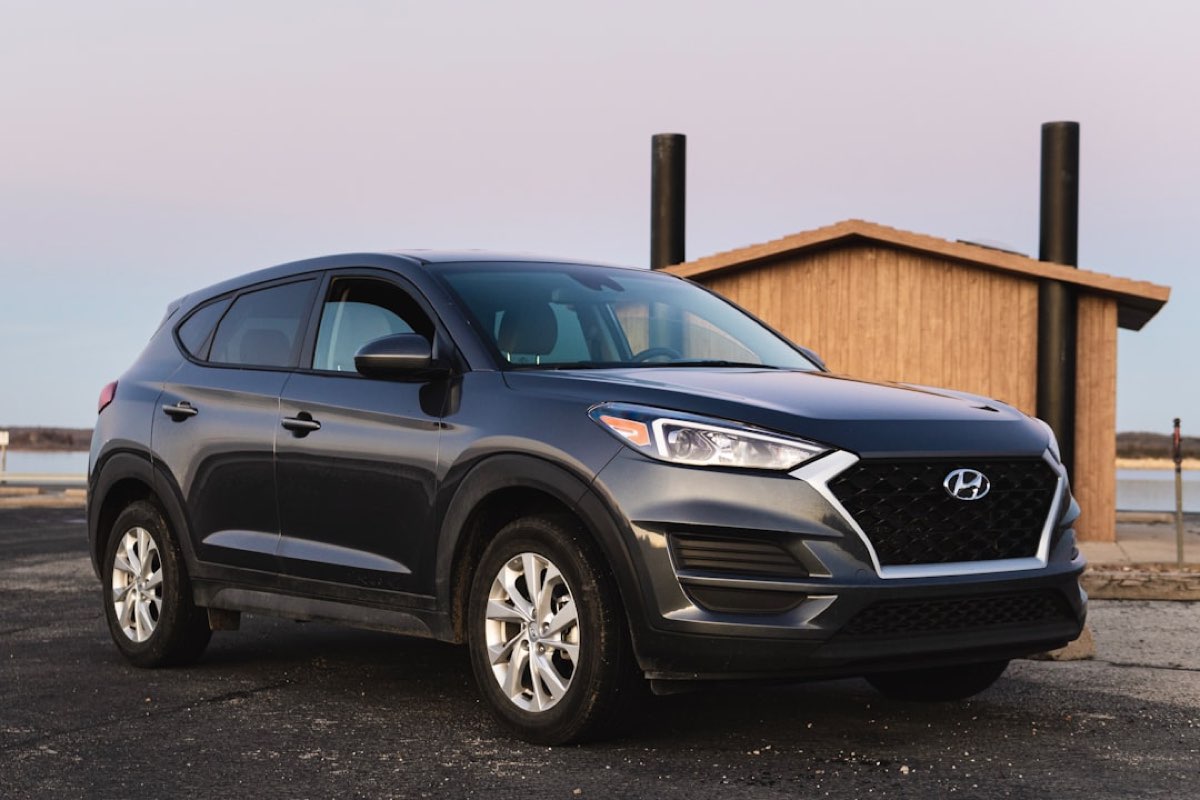
Used Hyundai Tucson for Sale: Complete Buyer's Guide
The Hyundai Tucson is one of the UK's most popular mid-size SUVs, offering a compelling mix of affordability, reliability and practicality. Whether you're searching for a compact family hauler or an affordable urban explorer, the used Tucson market delivers excellent value. In 2025, the used Hyundai Tucson market remains robust, with hundreds of examples available from dealers across the country.
At Mobeo, we've catalogued over 100 used Hyundai Tucsons from verified UK dealers, giving you access to a transparent, pressure-free buying experience. This guide walks you through pricing, what to look for, common issues and how to find the right model for your needs.
Used Hyundai Tucson Pricing in the UK Market
Tucson pricing varies significantly based on age, mileage and trim level. Here's what you can expect to pay in early 2025:
- 2022 Hyundai Tucson (2,000–15,000 miles): £18,500–£24,000
- 2021 Hyundai Tucson (15,000–40,000 miles): £15,500–£21,000
- 2020 Hyundai Tucson (30,000–60,000 miles): £13,000–£18,500
- 2019 Hyundai Tucson (50,000–80,000 miles): £10,500–£15,000
- 2018 Hyundai Tucson (70,000–100,000 miles): £8,000–£12,500
Prices depend heavily on specification (petrol vs diesel, manual vs automatic) and dealer location. The latest generation (from 2021) commands a premium due to updated styling, improved infotainment and better fuel economy. Older models from 2018–2019 offer exceptional value for buyers focused on budget rather than the newest features.
Trim Levels and Value for Money
Understanding Tucson trim levels helps you identify the best value. Recent model years typically offer:
- S (entry-level): Manual or automatic, air conditioning, 16-inch wheels, basic infotainment. Best for budget buyers who prioritise reliability over gadgets.
- SE (mid-range): Touchscreen, smartphone integration, reversing camera, cruise control. The sweet spot for value, adding comfort features at moderate cost.
- Premium (upper trim): Panoramic sunroof, leather upholstery, dual-zone climate control, larger touchscreen, power-adjustable seats. Worth considering if you value comfort and plan long ownership.
- N Line (sporty variant): Sportier styling, upgraded suspension, alloy wheels, dual exhausts. Primarily a visual distinction; running costs remain similar.
For best value, aim for an SE trim from 2020 or later. You get practical features like the rear camera and touchscreen without paying premium prices for leather and sunroofs you may not need. Budget buyers should consider 2019–2020 S models, where savings can exceed £3,000 compared to newer SE variants.
Engine Options and Fuel Economy
The Tucson has been offered with several engine choices. Knowing which suits your driving matters for fuel costs and long-term running expenses.
- 1.6-litre petrol (T-GDi): 130 hp, paired with 6-speed manual or 6-speed automatic. Real-world fuel economy averages 38–42 mpg depending on driving style and transmission. Insurance group 13–15.
- 2.0-litre petrol (older models, pre-2021): 164 hp, automatic only. Thirstier than the 1.6, averaging 32–36 mpg. Insurance group 16.
- 1.7-litre diesel (CRDi): Available on some 2018–2021 models, offering superior fuel economy at 40–48 mpg. Diesel insurance premiums are similar to petrol (groups 13–16), but higher purchase prices can offset savings unless you cover high annual mileage.
- 1.6-litre hybrid (HEV) (2021 onwards): Combined engine and electric motor, averaging 48–52 mpg in mixed driving. Insurance group 17–19, higher than petrol, but fuel savings accumulate over time.
For typical UK owners covering 10,000–12,000 miles annually, the 1.6-litre petrol with manual transmission offers the best balance of affordability and economy. Hybrid models make sense if you do significant town driving where the electric motor provides consistent savings.
Common Issues and What to Check When Buying
The Tucson is mechanically sound, but like any used car, certain issues have been reported. Be aware of these when inspecting a potential purchase:
- Gearbox shuddering on older automatics (2018–2019 models): Some 6-speed automatics exhibit hesitation or shuddering during low-speed driving. Request a full transmission diagnostic history and test drive the car over mixed speeds. Check for any software updates applied by previous owners or dealers.
- Electric parking brake stiffness (2021+ models): A few owners report the electronic parking brake becoming sticky or reluctant to release. Verify the brake functions smoothly and check dealer service records for any rectification work.
- Rear suspension creaking (common across age ranges): Creaking noises from the rear suspension aren't uncommon. Examine suspension components during pre-purchase inspection and budget £300–£500 for potential rear damper replacement if needed.
- Door seal condensation in winter: Older models sometimes accumulate moisture behind door panels in damp conditions. Check for musty odours and water stains inside door cavities.
- Check infotainment system functionality: Touchscreens on older units (2018–2019) may become sluggish. Test all functions including Bluetooth pairing, sat-nav and reversing camera.
Always insist on a full vehicle history check via HPI or similar service. Verify MOT records back at least three years, ensuring no advisories related to emissions or suspension have been repeatedly flagged. Request evidence of servicing at Hyundai or trusted independent specialists.
Insurance and Running Costs
Insurance for a used Tucson is reasonable compared to rival SUVs. A typical 2020 SE petrol model falls into insurance group 15, with annual quotes for a 40-year-old driver with clean license ranging from £400–£550. Older models (2018–2019) sit in groups 13–14, reducing premiums by £50–£100 annually.
Servicing costs are moderate. Hyundai servicing at official dealers costs £150–£250 per visit. The manufacturer recommends servicing every 12 months or 10,000 miles. Oil changes at independent specialists cost £100–£150. A full synthetic oil change interval of 20,000 miles keeps long-term costs down compared to some European rivals.
Road tax falls under the standard rate of £180 per year for petrol and diesel models registered after April 2017. Hybrid models registered from 2021 attract £0 VED for the first year, then standard rates thereafter. Fuel costs for the 1.6-litre petrol at 40 mpg amount to roughly £900–£1,100 annually based on 12,000 miles at current UK petrol prices.
Why Choose a Used Tucson?
The Tucson delivers practical family motoring without premium pricing. Its spacious cabin seats five comfortably with a 488-litre boot expanding to 1,456 litres with rear seats folded. Hyundai's reputation for reliability keeps ownership costs predictable. The model's popularity means strong part availability and mechanic familiarity across the UK.
On Mobeo, you'll find Tucsons from reputable dealers with full transparency on pricing and condition. Our network of 1,850+ verified dealers across the UK means you can compare hundreds of listings without pressure to buy immediately. Simply browse, shortlist, and let dealers contact you with further details.
Frequently Asked Questions
What mileage is considered high for a used Hyundai Tucson?
For modern Tucsons (2021 onwards), mileage above 60,000 is approaching the upper range for a 3-year-old car. For older models (2018–2020), anything over 80,000 miles is relatively high. However, a well-maintained Tucson with 100,000 miles can still be reliable if service history is strong. Focus on how the car was driven and serviced rather than mileage alone.
Is a diesel or petrol Tucson better for UK driving?
For typical UK owners covering under 15,000 miles annually, petrol is more economical overall. Diesel's fuel savings are offset by higher purchase prices and similar insurance costs. Diesel makes sense only if you regularly drive motorway miles where efficiency gains are maximised. Hybrid is the best choice for high-mileage urban driving.
Does the Tucson hold its value well?
Yes, Tucsons depreciate slightly slower than some rivals thanks to strong demand and reputation for reliability. A 2021 model loses roughly 30% value over three years; a 2019 model has already absorbed most depreciation. This makes older models excellent value for budget-conscious buyers.
What's the difference between the old generation (pre-2021) and new Tucson?
The 2021 redesign brought a bolder exterior, larger touchscreen (8–10 inches vs 7 inches), improved infotainment with Apple CarPlay and Android Auto as standard, better interior plastics, and marginal fuel economy gains. Mechanically, both generations are reliable. The new design commands a premium; older Tucsons offer better value if you're budget-focused.
Should I buy from a franchised dealer or independent?
Franchised Hyundai dealers offer warranty support and brand expertise but higher prices. Independent dealers often provide better value, though verify their reputation and ensure you instruct your own pre-purchase inspection. On Mobeo, both dealer types are listed; our verification ensures all meet baseline standards.
Find Your Used Hyundai Tucson on Mobeo
Browse 100+ quality listings from verified UK dealers. No haggling, no salesroom pressure—just transparent pricing and real choice. Search Mobeo today and find the Tucson that suits your budget and needs.
Search Mobeo Now