

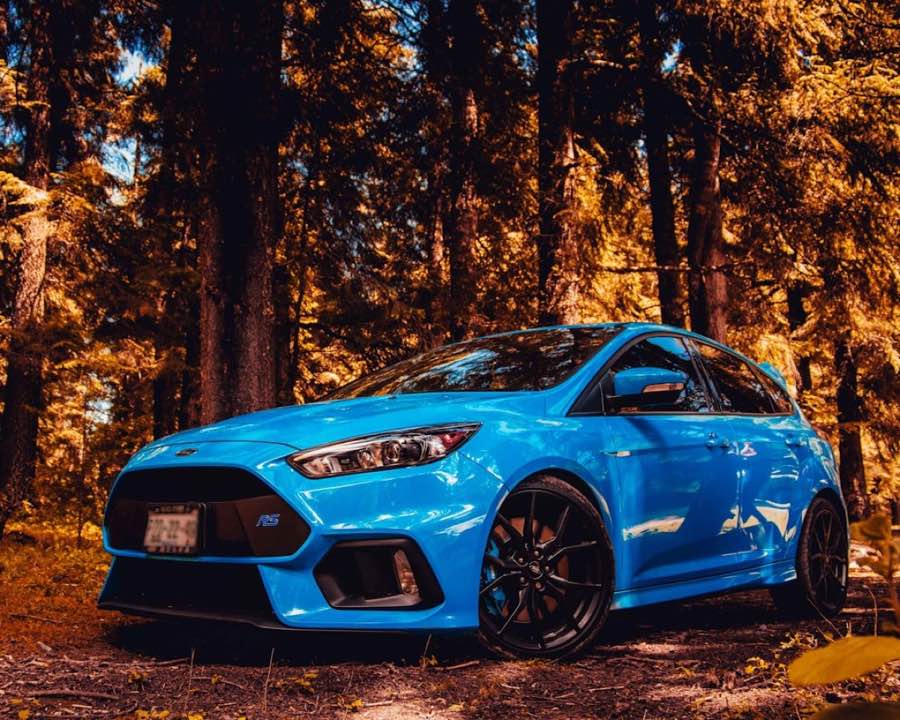
Used Ford Focus for Sale in the UK: A Buyer's Guide
The Ford Focus remains one of the most popular used cars on UK roads. Affordable, reliable, and practical, it appeals to first-time buyers, families, and commuters alike. Whether you're hunting for a 2024 model or a budget-friendly 2020 Focus, this guide covers everything you need to know before making your purchase.
At Mobeo, we list over 13,300 used cars from more than 1,850 verified UK dealers, including hundreds of Ford Focus vehicles at competitive prices. Our marketplace lets you compare options side by side without dealer pressure.
Ford Focus Used Prices in the UK (2025)
Pricing for used Ford Focus cars depends heavily on year, mileage, and trim level. Here's what to expect in the current market:
- 2024 Ford Focus (under 5,000 miles): £18,500–£22,000
- 2023 Ford Focus (5,000–15,000 miles): £16,500–£20,000
- 2022 Ford Focus (15,000–30,000 miles): £14,500–£18,500
- 2021 Ford Focus (30,000–50,000 miles): £12,500–£16,000
- 2020 Ford Focus (50,000–80,000 miles): £10,500–£14,000
- 2019 Ford Focus (80,000–120,000 miles): £8,500–£12,500
These prices reflect the most common configurations. Titanium and ST-Line trims command premiums of £500–£2,000 over base Zetec models, while performance variants like the ST push prices higher still.
Common Issues to Watch For When Buying a Used Ford Focus
The Focus is generally robust, but certain generations have reported specific concerns worth investigating before you buy.
- Gearbox Issues (2011–2016 models with PowerShift transmission): Some owners reported juddering, shuddering, or delayed gear changes with the dual-clutch automatic. If you're considering an older Focus with this box, request full service history and ask the dealer if any gearbox repairs have been completed. Many were covered under warranty, so check the paperwork. Manual and newer torque converter automatics are more reliable alternatives.
- Engine Oil Loss (1.0 EcoBoost petrol): Certain 1.0-litre EcoBoost models, particularly 2012–2016 builds, experienced excessive oil consumption. Always request an oil-level check and ask about warranty claims. A compression test at a trusted garage (£50–£80) can identify this issue definitively.
- Diesel Particulate Filter (DPF) Clogging: Older diesel Focus models used for short, frequent trips often accumulate DPF deposits. Ask if the filter has been professionally cleaned or regenerated. If not, budget £500–£1,000 for a clean post-purchase.
- Water Ingress and Electrical Gremlins: Poorly sealed door rubbers and sunroof drains have caused water ingress in some 2015–2019 models. Check the footwells and under the carpet for dampness or mildew odours.
- Suspension Wear: The Focus rides firm, and rough roads take their toll. Inspect front anti-roll bar links and struts for knocking sounds over speed bumps. Replacement struts cost £400–£600 per pair.
Always request a full service history and consider a pre-purchase inspection from a Ford specialist garage. This costs £100–£150 but can save thousands by uncovering hidden issues early.
Ford Focus Trim Levels and Best Value Options
Ford offers several trim grades. Here's what each delivers and which represents genuine value:
- Zetec (Base): The entry point. You get air conditioning, electric windows, and a touchscreen infotainment system. It's spartan but functional. Best for budget-conscious buyers who don't need leather or advanced tech. Saves £1,000+ over Titanium.
- ST-Line: This sits between Zetec and Titanium. You gain sportier styling, 17-inch alloy wheels, dual-zone climate control, and part-leather seats. Insurance groups climb slightly, but the driving experience feels sharper. Good middle ground for families.
- Titanium: Adds leather upholstery, power-adjustable driver seat, parking sensors, and an 8-inch touchscreen with sat-nav. The comfort upgrade justifies the cost if you spend long hours driving. Insurance premiums reflect the extras.
- ST and ST-Line X Performance: High-performance variants with turbocharged engines (200 hp and above). Insurance groups jump to 30+, and fuel consumption rises. Only consider these if driving enjoyment is your priority and running costs aren't a concern.
Best Value Pick: A 2022–2023 Zetec or ST-Line with 20,000–30,000 miles offers the sweetest balance of warranty remaining, modern tech, and sub-£16,000 pricing. You'll avoid the steep insurance of performance variants while gaining reliable transport.
Running Costs: Insurance, Fuel, and Servicing
Monthly ownership expenses for a used Ford Focus are modest, especially compared to premium marques or SUVs.
Insurance Groups
Ford Focus models fall into groups 11–24 depending on engine and trim:
- 1.0-litre petrol (EcoBoost): Group 11–13
- 1.5-litre petrol: Group 14–16
- 1.6-litre diesel: Group 15–18
- 1.0-litre MHEV mild hybrid: Group 12–14
- ST models: Group 22–24
An average 35-year-old first-time buyer with a clean licence will pay £600–£900 annually for a standard Zetec. ST variants jump to £1,200–£1,500. Use online calculators to get personal quotes, as factors like postcode and claim history vary widely.
Fuel Economy
Real-world consumption depends on driving style and traffic conditions:
- 1.0-litre petrol: 45–55 mpg combined (city driving: 38–42 mpg)
- 1.5-litre petrol: 40–50 mpg combined
- 1.6-litre diesel: 50–60 mpg combined
- 1.0 MHEV hybrid: 50–58 mpg combined
Diesel is dead-set to disappear, so unless you drive 15,000+ miles annually, petrol makes financial and resale sense. Mild hybrids (MHEV) are new to the Focus range and offer modest efficiency gains with lower depreciation risk than pure petrol.
Servicing and Maintenance
Ford Focus servicing is straightforward and affordable:
- Standard annual or 12,500-mile service: £150–£250 at independent garages; £200–£350 at Ford dealerships
- Brake fluid and air filter changes (every 2 years or 20,000 miles): £60–£100 combined
- Pads and rotors (front): £200–£350
- Full synthetic oil top-up between services: £20–£35
A three-year ownership cycle at 12,000 miles per year costs roughly £500–£700 in routine maintenance. Keep receipts to maintain warranty coverage and resale value.
Engine and Transmission Options Explained
The Focus comes with several powertrains. Here's which suits you:
- 1.0 EcoBoost three-cylinder petrol (100–125 hp): Economical and nippy in traffic. Avoid pre-2016 models due to oil loss issues. Great for city drivers and first-time buyers.
- 1.5 petrol (150 hp): Smoother and faster than the 1.0. Fuel economy drops slightly but it's still reasonable. Sweet spot for balanced performance and efficiency.
- 1.6 diesel: Best for high-mileage commuters. Long-term, however, diesel resale values lag behind petrol due to market sentiment. Check DPF condition carefully.
- 1.0 MHEV mild hybrid (155 hp, 2023+): New option combining efficiency gains with petrol reliability. Marginally higher purchase price but lower running costs. Excellent warranty coverage as most are under 2 years old.
For most buyers, the 1.0 or 1.5 EcoBoost petrol with a six-speed manual transmission strikes the best balance of cost, reliability, and resale appeal.
Why Buy a Used Ford Focus?
The Focus dominates the used market for good reason. It's affordable to own, spacious enough for a small family, and holds value reasonably well. Parts are cheap, mechanics know them inside out, and you'll find one in virtually any colour or spec across the UK.
Over 13,300 used cars are listed on Mobeo, including hundreds of Focus vehicles priced competitively by verified dealers. Our marketplace removes middlemen, so you deal directly with sellers and get transparent pricing.
Frequently Asked Questions
What mileage is considered high for a used Ford Focus?
Anything above 120,000 miles is approaching "high" territory, though a well-maintained Focus with 150,000 miles may outlast a neglected one at 80,000. Check service history carefully. Annual mileage of 10,000–12,000 is typical; if the car has done significantly more, ask why and inspect wear items (brakes, tyres, suspension) thoroughly.
Is the Ford Focus good on motorways?
Yes. The Focus rides comfortably at motorway speeds (70 mph), and wind and road noise are well-controlled. Fuel economy on a run is genuinely good (50+ mpg in ideal conditions). Cruise control comes on most trims, making long journeys less tiring. It's an underrated motorway car.
Should I buy a petrol or diesel Ford Focus?
Petrol. Diesel suits only those covering 15,000+ miles annually. Petrol engines are more reliable in the Focus lineup, cheaper to insure, and simpler to diagnose if problems arise. Diesel values are falling, making resale harder. Start with petrol unless you have a specific reason to choose diesel.
How long do Ford Focus engines last?
With regular oil changes and servicing, a Focus engine easily reaches 150,000–200,000 miles. The petrol units are particularly tough. Diesel engines can do 250,000+ miles if well-maintained. The limiting factor is rarely the engine; it's usually suspension, transmission, or electrical issues that force retirement.
What's the cheapest way to buy a Ford Focus in the UK?
Buy private if you're confident inspecting cars yourself, though dealer stock offers buyer protection under consumer law. Use Mobeo to compare prices from 1,850+ verified dealers without pressure. Look for cars with 50,000–80,000 miles and full service history; they offer the best value. Avoid auction cars unless you know their full history.
Find Your Used Ford Focus on Mobeo
Browse 13,300+ listings from verified UK dealers. Compare prices, specs, and dealer reviews side by side. No pressure, no middlemen — just the right car at the right price.
Search Mobeo Now