

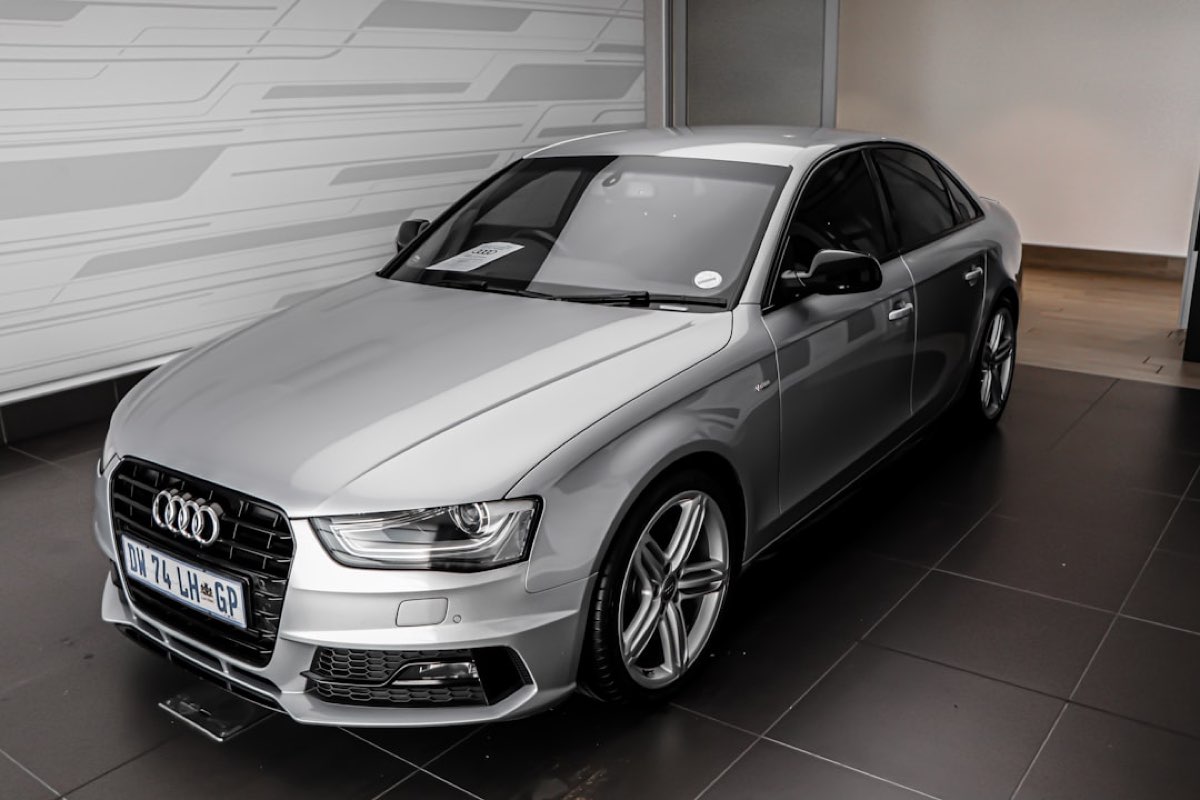
Used Audi A4 for Sale: Buying Guide & Prices
The Audi A4 is one of the UK's most sought-after executive saloons. It combines German engineering, premium interior quality, and reliable performance in a package that holds value well on the used market. Whether you're after a fuel-efficient diesel model or a peppy petrol engine, the A4 delivers on practicality and driving comfort.
In 2025, the used Audi A4 market remains strong, with thousands of examples available across the UK. On Mobeo, we list 100+ used A4s from verified dealers, making it easy to compare prices, mileage, and specifications in one place.
This guide covers everything you need to know before buying a used A4: current market prices, common issues to watch for, trim levels, running costs, and what makes a good buy.
Current UK Market Prices for Used Audi A4
Used A4 pricing varies significantly depending on age, mileage, trim, and engine type. Here's what you can expect across recent model years:
- 2024 Audi A4: £24,000–£32,000 (typically sub-5,000 miles, nearly new)
- 2023 Audi A4: £20,000–£28,000 (5,000–20,000 miles)
- 2022 Audi A4: £17,000–£24,000 (20,000–40,000 miles)
- 2021 Audi A4: £14,000–£20,000 (40,000–60,000 miles)
- 2020 Audi A4: £12,000–£18,000 (60,000–80,000 miles)
- 2019 Audi A4: £10,000–£15,000 (80,000–100,000 miles)
- 2018 Audi A4: £8,500–£13,000 (100,000+ miles)
These prices assume average condition and average mileage for the year. A 2022 Audi A4 with 35,000 miles in excellent condition typically sells for £19,000–£22,000, while the same model with 50,000 miles might drop to £16,000–£19,000.
Diesel models (TDI) tend to hold value slightly better than petrol versions, particularly among fleet and company car buyers. A 2022 A4 2.0 TDI with 40,000 miles often commands £1,000–£2,000 more than an equivalent petrol model.
Audi A4 Trim Levels: Which Offers Best Value?
The Audi A4 lineup typically includes these main trim grades, though exact names vary by generation:
- SE: Entry-level trim with air conditioning, electric windows, and basic infotainment. Good value if you want essentials only.
- SE Technik: Adds smartphone integration, rear parking sensors, alloy wheels, and cruise control. Sweet spot for many used buyers.
- S Line: Sportier suspension, 18-inch alloys, sportier interior trim, panoramic roof option. Popular with enthusiasts but costs more to run.
- Black Edition: Dark styling cues, sports suspension, premium audio system. Niche appeal and highest servicing costs.
- Quattro: All-wheel drive option available across trims. Adds £1,500–£3,000 to purchase price; useful for winter driving but reduces fuel economy by 2–3 mpg.
For most buyers, the SE Technik represents the best value. You get modern comfort features, decent trim quality, and reasonable running costs without paying S Line premiums. If you find a well-maintained SE with full service history, it's a solid choice.
Common Issues and Problems to Watch For
The Audi A4 is generally reliable, but certain issues appear more frequently in used examples. Know what to check before you commit:
- Carbon buildup on petrol engines: Direct-injection petrol engines (1.4 TFSI and 2.0 TFSI) can suffer carbon buildup on intake valves after 80,000–100,000 miles, causing rough idling and hesitation. Full engine decarbonisation costs £400–£800. Ask the seller for service records and check for any history of rough running.
- DSG gearbox judder: Audi's 7-speed S tronic dual-clutch gearbox can develop shuddering when pulling away from rest, particularly in stop-start traffic. This typically indicates failing mechatronics or worn clutches. A full gearbox rebuild costs £2,500–£4,000. Test drive in heavy traffic and listen carefully.
- Timing chain stretch: Older 1.8 TFSI models (2008–2012) can suffer timing chain stretch. If you hear a rattle at cold start, walk away or negotiate hard. Chain replacement is expensive (£1,200+).
- Electrical gremlins: Some A4s develop minor electrical faults, such as door locks or window switches failing. These are usually inexpensive fixes but worth checking during viewing.
- Suspension wear: The A4's suspension is comfort-biased, but bushings and dampers wear progressively. Above 80,000 miles, budget for suspension component replacement (£600–£1,200 per corner).
Always insist on a full pre-purchase inspection from a reputable mechanic if buying privately. Most dealer cars on Mobeo come with warranties, but still get your own check done.
Running Costs: Insurance, Fuel & Servicing
Beyond the purchase price, factor in these annual and periodic costs:
- Insurance: Audi A4 insurance groups range from 18–26 depending on engine size and trim. A 2022 SE Technik 1.4 TFSI typically falls in group 20–21, costing £400–£550 annually for comprehensive cover (depends on your age, postcode, and claims history).
- Fuel economy: Petrol models (1.4 TFSI and 2.0 TFSI) average 38–45 mpg in real-world driving. Diesel (2.0 TDI) achieves 48–55 mpg. Running on premium fuel, you'll spend roughly £140–£170/month on a 10,000-mile annual budget.
- Servicing: Audi follows a flexible service schedule; every 10,000 miles or annually, whichever comes first. A standard service costs £150–£250 at independent specialists, £250–£400 at Audi dealers. Major services (every 20,000 miles) are £300–£500.
- MOT and taxes: Road tax is £160/year for petrol and diesel (standard rate). MOT costs £45.
- Tyres and brakes: Expect to budget £600–£900 for a full set of quality replacement tyres. Brake pads (£200–£350) typically need replacing every 40,000–60,000 miles.
Over five years, you're looking at approximately £2,500–£3,500 in servicing alone (excluding major repairs). This makes buying a well-serviced A4 from a reputable dealer critical; skipped services lead to expensive problems later.
What to Check When Viewing a Used Audi A4
Follow this checklist when you visit a dealer or private seller:
- Request the full service history. Missing services are a red flag.
- Check the engine code on the VIN plate against the advert; confirm correct engine type and power output.
- Test the suspension by bouncing each corner; it should settle smoothly with no excessive clunking.
- Listen for carbon buildup symptoms: rough idle, hesitation, or pinging under acceleration.
- Test all electrics: windows, locks, climate control, infotainment screen, and parking sensors.
- Check for oil leaks under the engine, particularly around gaskets and valve covers.
- Inspect brake pads visually; thick pads are better.
- Review the service records for timing chain checks or gearbox repairs. Some records indicate previous problems.
- Ask for an HPI check (included with most dealer stock on Mobeo); confirms no outstanding finance or written-off status.
- Take a 20-minute test drive on varied roads: motorway, country roads, and town traffic to feel suspension, gearbox, and engine responsiveness.
Frequently Asked Questions
What's the difference between TDI and TFSI engines in the used A4?
TDI is Audi's diesel engine, offering better fuel economy (48–55 mpg) and stronger torque for towing and heavy driving. TFSI is petrol, providing quieter, more refined driving and lower purchase prices, but fuel consumption is 38–45 mpg. Diesel holds value slightly better but costs more to buy. Choose diesel if you drive 15,000+ miles annually; petrol for lighter use.
Is the Audi A4 reliable for a first-time buyer?
Yes, if you buy from a reputable dealer with full service history. The A4 is well-engineered and ages gracefully. Avoid high-mileage examples with patchy service records. Private buys require careful inspection; dealer stock on Mobeo includes warranties and HPI checks, reducing risk.
Can I get an Audi A4 for under £10,000?
Yes. A 2018–2019 model with 100,000+ miles and average condition sits in the £8,500–£11,000 range. Be prepared for potential wear items (suspension, brakes, tyres) and higher servicing costs. Ensure a pre-purchase inspection is done.
What's the real-world fuel economy of a used Audi A4?
Factory figures overstate consumption. Expect 35–42 mpg for petrol (1.4 and 2.0 TFSI) and 44–52 mpg for diesel (2.0 TDI) in mixed driving. Motorway journeys yield better economy; town driving worse. Driving style and load significantly affect figures.
Should I buy a petrol or diesel Audi A4 in 2025?
Diesel still makes sense if you do 15,000+ miles annually and don't pay London ULEZ charges. Petrol is better if you drive under 10,000 miles/year or live in ULEZ zones, as petrol cars face lower charges. Used prices currently favour petrol slightly, but diesel resale value remains stronger.
Find Your Used Audi A4 on Mobeo
Browse 100+ used Audi A4 listings from verified UK dealers. Every car is inspected, HPI checked, and listed with full specifications and photos. No pressure, no middlemen — just honest dealer stock at fair prices.
Search Mobeo Now